
Communication has consistently shaped my professional identity, even before I fully understood its relevance to learning design. In my current role, I engage in listening, writing, explaining complex information, supporting learners, and assisting teams with decision-making. Reflecting on active listening, persuasive writing, visual storytelling, and AI-assisted communication, I am most confident in persuasive writing because it enables me to present ideas with clarity, logic, and purpose. In this session, I seek to strengthen my visual storytelling skills, as effective visuals help learners connect with information, retain key concepts, and apply what they learn with confidence.

Communication Strength: Persuasive Writing
Persuasive writing is one of my strengths because I value transparency, logic, and trust. I have found that people are more receptive when they believe the communicator understands the subject matter, respects their concerns, and is honest about what they know and do not know. I am comfortable supporting ideas with evidence, explaining the reasoning behind recommendations, and adapting messages to meet the needs of a specific audience. I also acknowledge learners’ experiences and concerns, particularly when they feel overwhelmed or uncertain.
A professional experience that highlighted this strength was my role as a mentor in the Injury Learn & Apply program from January 2023 to June 2023. In this role, I supported a pilot training initiative for newly hired remote employees. The training covered complex material, with primary goals of learner retention and role readiness. Many employees struggled to apply what they learned and lacked confidence as they prepared to transition to their teams. To better support learner success, our project leader invited team members to share recommendations.
I recommended a refresher training model. Instead of requiring learners to attend three hours of repeated training, I proposed three one-hour, topic-based refresher sessions offered at the same time once per week. Learners could choose the session that addressed their most pressing need. My goal was to provide targeted support while preserving time for learners to practice previously acquired skills.
During a planning meeting, a manager suggested offering the sessions at different times. I explained that simultaneous sessions would allow learners to focus on one topic without sacrificing practice time. However, when the concern was raised again in a larger meeting, my tone shifted. Out of frustration, I stated that the team had already decided on the approach.
Although I stood by the design, I was dissatisfied with how I communicated in that moment. My message was logical, but my tone did not reflect the communicator or learning designer I aspire to be. After the meeting, I proposed testing the manager’s preferred approach during the second week and comparing attendance and performance outcomes. This experience taught me that persuasive communication requires more than a strong rationale; it also requires openness, emotional regulation, collaboration, and data-informed decision-making.
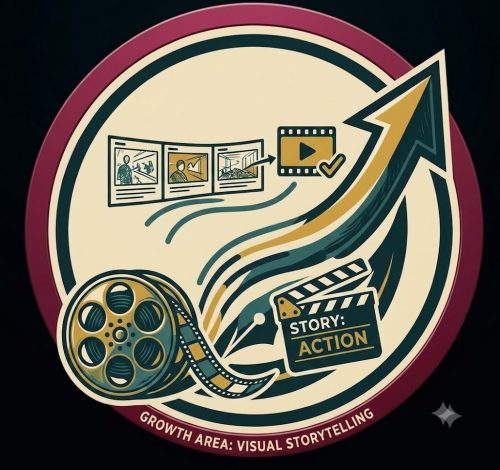
Growth Area: Visual Storytelling
The communication skill I most want to improve this session is visual storytelling. This competency is essential to my development as a learning designer because visuals can make learning more meaningful, memorable, and accessible. Visual storytelling helps learners see, understand, and connect with information in ways that words alone may not accomplish. When used effectively, visuals can build empathy by illustrating the learner’s experience, highlighting challenges, and demonstrating progress toward desired outcomes. Effective visuals increase engagement, improve retention, and connect concepts to real-world application.
Visual storytelling is challenging for me because I naturally process information through words, logic, and data. I am confident in writing, analysis, surveys, charts, and presentations; however, I am still developing my ability to use images, layouts, and design elements to communicate ideas effectively. As a result, I sometimes rely on detailed explanations when a thoughtfully designed visual could convey the same message more clearly and engagingly. Developing this skill will help me create learning experiences that are not only informative but also more engaging, learner-centered, and impactful. It will also allow me to communicate complex ideas more effectively and better support diverse learners with different learning preferences and needs.
This growth area is particularly relevant now because I am currently developing a Christian workbook and will soon begin work on a website. In the workbook, I want visuals to serve a purpose beyond decoration. My goal is to have them guide users through daily action steps while reinforcing habits of focus, reflection, prayer, and spiritual growth. Rather than simply presenting information, the visuals should support the learner’s journey, encourage meaningful application, and reinforce key concepts. This approach aligns with learning design principles by focusing on creating experiences that promote action, reflection, and meaningful growth.
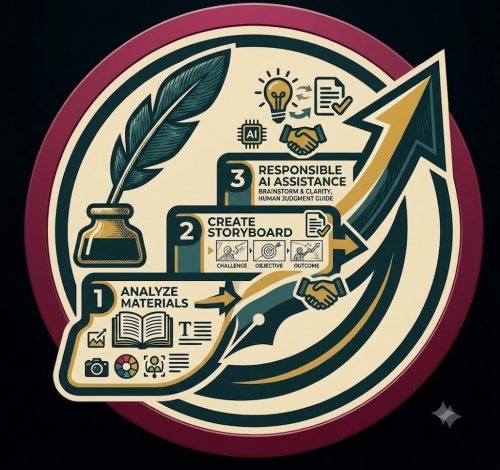
Action Plan
My action plan for improving visual storytelling includes three steps. First, I will review effective learning materials and analyze how images, spacing, icons, color, and layout support the learning message. This analysis will help me use visuals intentionally.
Second, I will create simple storyboards before developing learning materials. Storyboarding will help me connect learner challenges, instructional objectives, and desired outcomes before selecting visuals.
Third, I will use AI-assisted communication responsibly to brainstorm visual concepts, organize ideas, simplify language, and check message clarity. However, my final decisions will be guided by learner needs, instructional goals, professional values, and the human judgment necessary to create meaningful learning experiences.
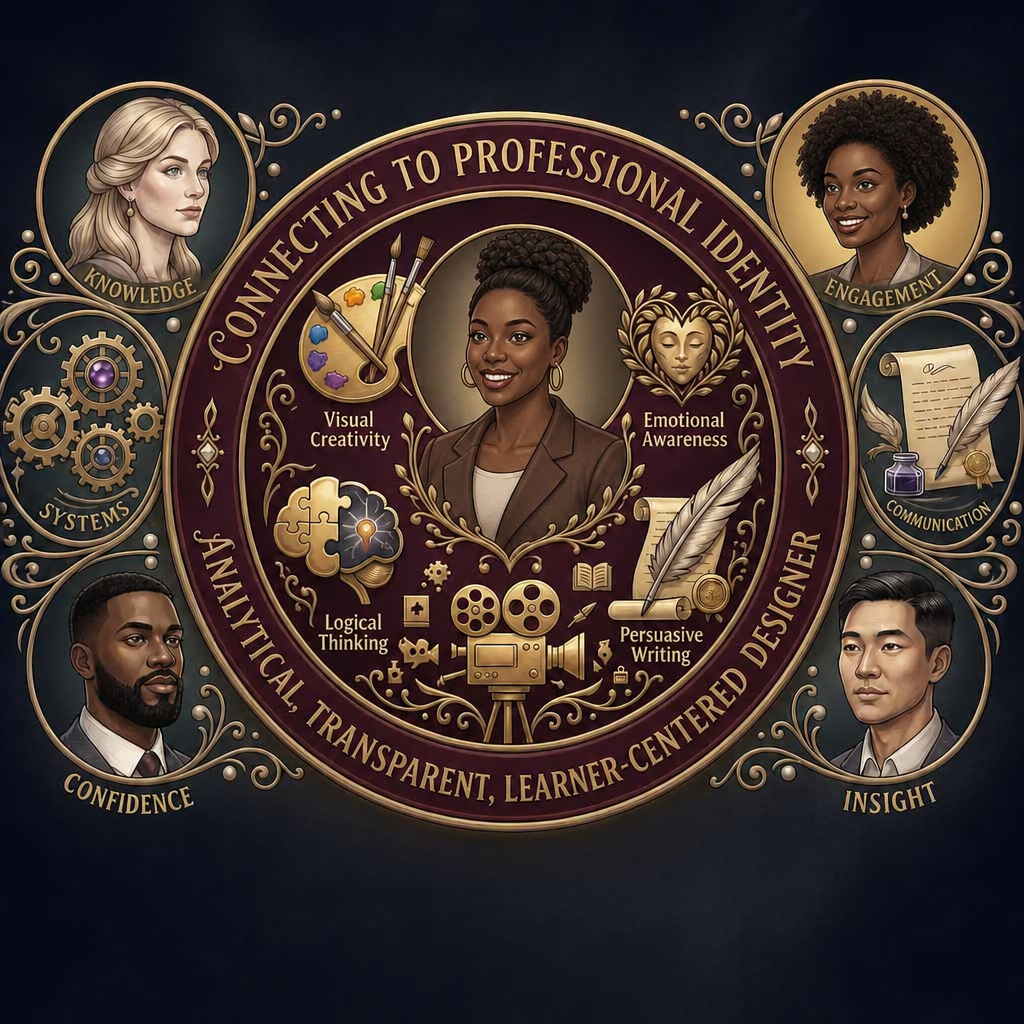
Connection to Professional Identity
My current communication habits reflect the learning designer I am becoming: analytical, transparent, and learner-centered. I want learners to understand what they are learning, why it matters, and how it contributes to their success. My experiences in claims, mentoring, and training have shown that learners need more than information; they require confidence, support, practice, and communication that acknowledges their challenges. As I continue to develop professionally, I aim to balance the strengths of persuasive writing, honesty, and logical thinking with increased patience, visual creativity, and emotional awareness. By strengthening my visual storytelling skills, I will be better equipped to design learner-centered experiences that build confidence, improve performance, and support meaningful organizational change.